Fishing Equipment Maintenance: Helpful Tips to Boost the Lifespan of Your Equipment
For anglers aiming to enhance their time on the water, fishing gear maintenance is essential. Proper attention can considerably extend the lifespan of rods, reels, and tackle. Regular inspections and cleaning routines are crucial in maintaining performance. Additionally, having organized tackle boxes and conducting seasonal checks will help prevent unexpected failures. Understanding how to maintain each component is key. What particular practices could guarantee fishing gear stays in optimal condition?
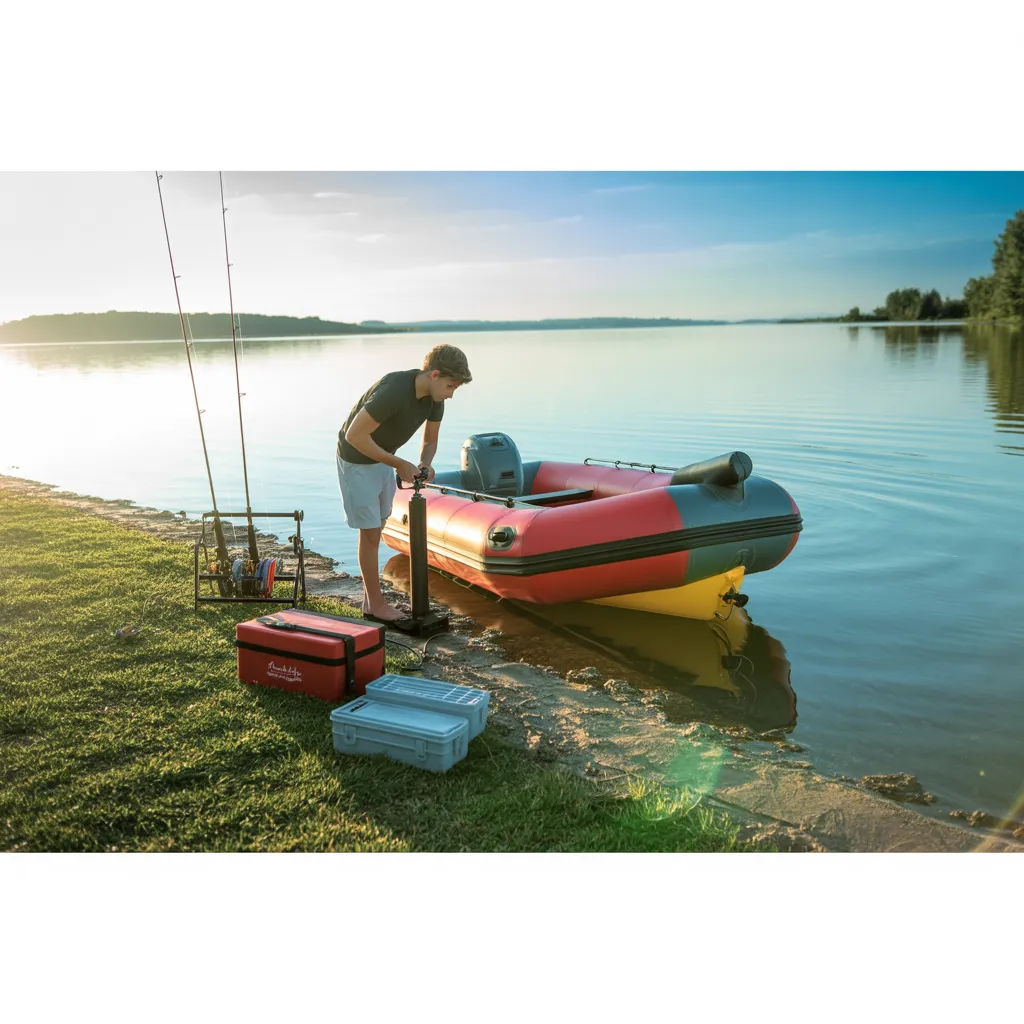
Guidelines for Maintaining Your Fishing Rods
Correct care of rods is essential for promoting longevity and maximum operation. Regular inspection is important; anglers should check for any marks of deterioration, such as breaks or splintering. Rinsing the rod after each session helps get rid of dirt and saline residue, which can degrade substances over the long term. A delicate towel and mild soap suffice for routine cleaning.
Additionally, keeping rods in a dry, cool environment eliminates deterioration from temperature extremes and humidity. Employing rod socks or cases guards them from accidental bumps and scratches. Avoid putting heavy objects on top of stored rods, as this can result in fracturing or warping.
Furthermore, care to guides is essential; ensuring they are clean and not worn enhances cast length and precision. By following these instructions, anglers can preserve their fishing rods effectively, ensuring they remain dependable equipment for many years of fishing adventures.
Strategies for preserving Your Fishing Reels
Keeping fishing reels in proper condition is vital for excellent operation and long-term durability. Routine cleaning performed following every fishing session, oiling moving components, and assessing for problems represent essential techniques that strengthen working efficiency. By executing these recommendations, anglers can verify their reels remain in outstanding working order for all fishing excursions.
Sanitize After Each Use
After each use, cleaning fishing reels is key to preserve their functional life and performance. Saltwater, dirt, and debris can accumulate during fishing trips, resulting in corrosion and lowered functionality. Anglers should rinse their reels with fresh water, ensuring that every surface is completely cleaned to remove contaminants. A soft cloth can be used to wipe the exterior, while a gentle brush can help in dislodging stubborn particles from crevices. The spool and line require special attention as residues can influence casting efficiency. After rinsing, it is crucial to dry the reel fully to avoid moisture buildup. Consistently implementing this routine improves performance and also significantly extends the lifespan of fishing reels, ensuring reliable use season after season.
Lubricate Moving Parts
Once fishing reels have been thoroughly cleaned, attention turns to oiling the moving parts to ensure smooth operation. This step is critical for maintaining the reel’s performance and lifespan. Using a high-quality fishing reel lubricant, anglers should apply a thin layer to bearings, gears, and other key components. Care must be taken to avoid over-lubrication, which can gather dirt and debris. A precision applicator can help reach tight spots without overuse. Additionally, it’s recommended to wipe away any excess lubricant after application. Regular lubrication reduces friction, allowing the reel operates efficiently while casting and retrieving lines. By adopting this maintenance routine, anglers can improve the performance and lifespan of their fishing reels, providing more pleasant fishing experiences.
Look for Damage
Looking over fishing reels for damage is an important step in maintaining peak performance. Regular inspections help identify signs of wear and tear that could hinder functionality. Anglers should inspect the reel's body for cracks or dents that may damage its integrity. The spool should be assessed for signs of deformation or uneven surfaces, as these can interfere with line retrieval. The drag system must be tested for functionality; any binding or grinding suggests potential problems. Finally, attention should be given to the bail mechanism to ensure it runs smoothly. By thoroughly inspecting these parts, anglers can resolve minor problems before they grow, thereby extending the lifespan of their fishing reels and enhancing their overall fishing experience.
How to Care for Fishing Lines for Optimal Function?
Maintaining fishing lines is crucial for guaranteeing optimal performance during every outing. Regular cleaning can significantly enhance the lifespan and performance of these important components. To clean fishing lines, anglers should first remove the line from the reel, allowing for easier inspection. A light rinse with fresh water can wash away dirt and debris. For stubborn dirt, a blend of warm water and mild soap can be applied, using it with a soft cloth or sponge. After cleaning, it is crucial to completely rinse the line to eliminate any soap residue. Once dried, re-spool the line onto the reel, making sure it is tight and without twists. Additionally, using a line conditioner can help maintain flexibility and decrease line memory, thereby enhancing casting and overall performance. Following these simple steps will guarantee that fishing lines remain in ideal condition for upcoming trips.
Tackle Box Organization Advice
Accomplished angling requires not only well-maintained lines but also an orderly tackle box. An productive tackle box gives anglers the ability to promptly find required equipment, elevating their fishing experience. First, categorize tackle by type: lures, hooks, weights, and tools should each have assigned spots. Using miniature transparent receptacles within the tackle box can help keep smaller items from becoming caught or misplaced. Identifiers can also facilitate the process, allowing for straightforward recognition and recovery.
Additionally, anglers should regularly review and discard any worn or broken items, ensuring only working equipment is kept. Consider implementing modular tackle boxes that provide adjustable sections, adjusting to different fishing styles or environments. Finally, keeping a inventory list of necessary items can guide arrangement and replenishment, making getting ready for angling excursions more efficient. By implementing these storage strategies, fishermen can maximize their time on the water and improve their general angling performance.
Seasonal Upkeep for Fishing Gear
Routine care is important for maintaining fishing gear in excellent condition year-round. When spring arrives, anglers need to use a prep checklist to get ready their equipment for the active fishing seasons. On the other hand, proper winter protection tips are vital for protecting gear during the inactive season.
Spring Prep Checklist
When spring approaches, anglers often recognize the importance of a thorough prep checklist for their angling equipment. First, they should examine rods and reels for any signs of wear or damage, guaranteeing all components function correctly. Next, it's essential to clean and lubricate reels, removing old line and replacing it with fresh, suitable monofilament or braided line. Additionally, inspecting tackle storage for rusted hooks and broken lures is crucial; replacing these items can enhance fishing success. Anglers should also examine waders, nets, and other accessories for tears or leaks, ensuring everything is in working order. Finally, organizing gear and confirming all necessities are ready facilitates an easy beginning to the fishing season. Proper preparation enhances the overall fishing experience.
Winter Preservation Advice
Proper off-season storage is important for maintaining the durability and performance of fishing gear. Anglers should start by completely washing all equipment, clearing away dirt, salt, and moisture that can result in corrosion. Rods should be stored in a temperature-controlled, dry place, ideally in a vertical position to prevent warping. Reels require a light oiling to guarantee smooth operation when spring arrives. Line should be removed and replaced, as old line can degrade over time. Tackle boxes and lures should be kept tidy and checked for damage, ensuring that everything is in operational condition. Finally, consider using protective covers for larger items, shielding against dust and potential damage. Following these steps will help protect fishing gear for the next season.
What's the best time to upgrade your fishing equipment?
Knowing when to refresh fishing equipment can dramatically improve the fishing experience. Recognizing indications of wear and tear is crucial. Rods may show cracks or splintering, meaning that they are no longer reliable. Reels can become difficult to crank or may exhibit rust, suggesting it’s time to replace them. Lines that wear or lose durability compromise fishing success; thus, they should be replaced regularly.
Additionally, confront boxes that are deteriorated or without sections compromise organization and efficiency. Anglers should also weigh the age of their equipment; dated equipment may not execute as proficiently as newer technology. Ultimately, updating equipment before it gives out warrants a more pleasant fishing trip and diminishes frustration on the water. Consistent evaluations of gear condition can thwart unexpected setbacks and amplify overall performance, allowing anglers to focus on the excitement of landing fish.
Typically Requested Questions
What Interval Should I Examine My Fishing Equipment for Deterioration?
Inspecting angling equipment for damage should happen on a regular basis, ideally before each outing. Regular inspections help identify potential issues early, ensuring gear remains in great shape and improving the overall fishing experience while preventing unexpected issues.
Is Ordinary Soap Suitable for Cleaning My Fishing Equipment?
Using regular soap to wash fishing equipment is generally not advisable, as it may deposit buildup that affect performance. Specialized cleaning solutions are suggested to guarantee complete sanitation without harming sensitive components or materials.
What Should I Do if My Rod Gets Broken?
If a fishing pole gets harmed, the party should evaluate the magnitude of the harm, consider fixing it with suitable supplies, or consult a professional. Substitution may be necessary for severe breaks or significant foundational concerns.
Should You Store Fishing Gear Protected in Extreme Temperatures?
Storing fishing gear in extreme temperatures is problematic. Intense warmth can harm substances, and extreme cold can lead to brittleness. Correct preservation in a regulated space helps sustain gear durability and related resource performance.
How Do I Preserve Metal Components Without Rust?
To avoid rust on metal components, one should frequently cleanse and moisture-remove the equipment, apply protective coatings, keep items in a moisture-free location, and use rust inhibitors as necessary to maintain ideal condition.